Introduction
Inadequate lighting can lead to serious injuries, particularly in public spaces and workplaces. When individuals suffer injuries due to poor lighting conditions, they may seek legal recourse. Attorneys play a crucial role in these cases, and the accuracy of medical records is vital for building a strong case. This article delves into the significance of medical records review in inadequate lighting injury claims, providing insights for legal professionals on how to integrate and leverage these services.
Understanding Inadequate Lighting Injury
What Constitutes Inadequate Lighting?
- Definition: Inadequate lighting refers to insufficient illumination in an area, which can lead to accidents and injuries.
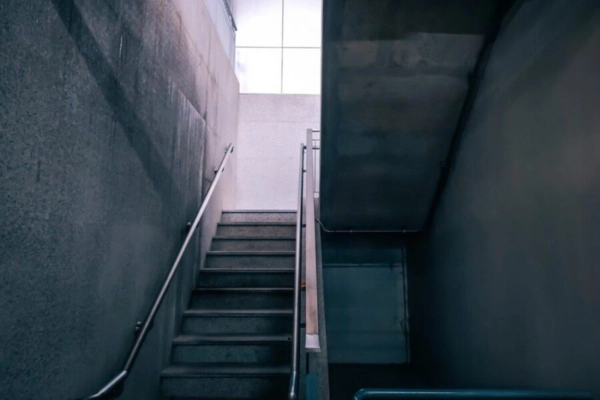
- Common Locations: This issue often arises in parking lots, stairwells, hallways, and retail spaces.
Types of Injuries Associated with Poor Lighting
- Slip and Fall Accidents: Poor visibility can lead to trips and falls.
- Assaults and Crimes: Inadequate lighting can create opportunities for criminal activities.
- Other Injuries: Injuries caused by collisions or similar accidents in badly lit areas.
The Importance of Medical Records Review
Why Medical Records Matter
- Evidence of Injury: The records serve as proof of injuries linked to poor lighting.
- Treatment History: They outline the care received, helping to show how serious the injuries were.
How Medical Records Review Supports Attorneys
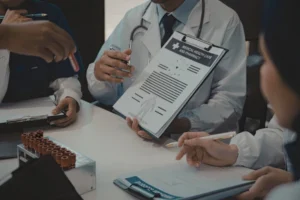
- Thorough Analysis: A full look at the records lets lawyers grasp the medical side of their case.
- Identifying Key Information: These files may show pre-existing issues that could influence the outcome.
The Medical Records Review Process
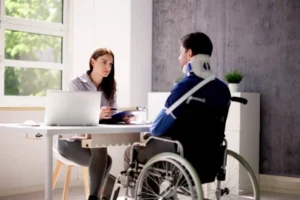
Step 1: Initial Consultation with Attorneys
- Understanding Case Needs: Meet with the lawyer to go over the details and goals of the lighting case.
- Scope of Review: Agree on which medical documents are crucial for the matter at hand.
Step 2: Collecting Medical Records
- Authorization: Secure the injured person’s permission to pull their medical files.
- Document Gathering: Request and compile all pertinent items, from hospital notes to imaging reports.
Step 3: Analyzing Medical Records
- Detailed Review: Carefully read each page for accuracy and relevance to the claim.
- Highlighting Key Findings: Mark important medical details that back up the argument.
Step 4: Reporting Findings
- Comprehensive Report: Write up a full report that gathers all the discoveries, listing relevant timelines, diagnoses, and treatment plans side by side.
- Recommendations for Attorneys: Add practical tips that lawyers can use as they move the case forward.
Common Challenges in Inadequate Lighting Injury Cases
Incomplete Medical Records
- Issue: Files from hospitals, clinics, or specialists may be lost or only partly available, making it harder to see the complete picture.
- Solution: Set up a checklist and regularly reach out to each provider until every page is collected.
Complex Medical Terminology
- Issue: Attorneys and their teams can feel stuck when dense medical jargon fills the notes and reports.
- Solution: Break down the language, using simple definitions and short summaries that explain what each term actually means.
Time Constraints
- Issue: Deadlines always lurk, and lawyers need material fast so they can prepare pleadings or argue motions.
- Solution: Offer a rush review option that moves records to the front of the queue and delivers results on schedule.
Current Trends in Medical Records Review (2024)
Increased Use of Technology
- Digital Records: Most providers now keep files online, so scanning, searching, and copying large sets of pages takes far less time than before.
- AI and Automation: Light-review chores handled by artificial intelligence give analysts more room to focus on tricky details and catch issues sooner.
Emphasis on Data Privacy
- Regulations: Every step-storing, sharing, even shredding-must play by HIPAA rules and any newer state laws that protect patient privacy.
- Best Practices: Encrypt files, audit access logs, and train staff regularly so sensitive information stays safe at every turn.
Case Studies
Case Study 1: Slip and Fall Due to Poor Lighting
- Overview: A patron slipped and fell in a dimly lit parking area, suffering fractures that required surgery.
- Challenges: Hospital notes were scattered across three clinics, and some x-rays were missing.
- Solutions: We contacted each facility, secured the records, and created a timeline that highlighted the injury sequence.
Case Study 2: Assault in a Retail Store
- Overview: Shoppers attacked inside a department store due to a dark aisle, resulting in cuts and severe anxiety.
- Challenges: Friends gave conflicting witness accounts, and the language in the hospital discharge summary was very technical.
- Solutions: We interviewed witnesses, simplified the medical jargon, and produced a narrative that matched the stores security footage.
Conclusion
A careful review of medical files can tip an inadequate-lighting case in a client’s favor. By knowing the typical issues and staying up to date, lawyers can use our findings to build stronger claims. Our promise of thoroughness, speed, and strict confidentiality means attorneys get reliable, consistent help when they need it most.