Introduction
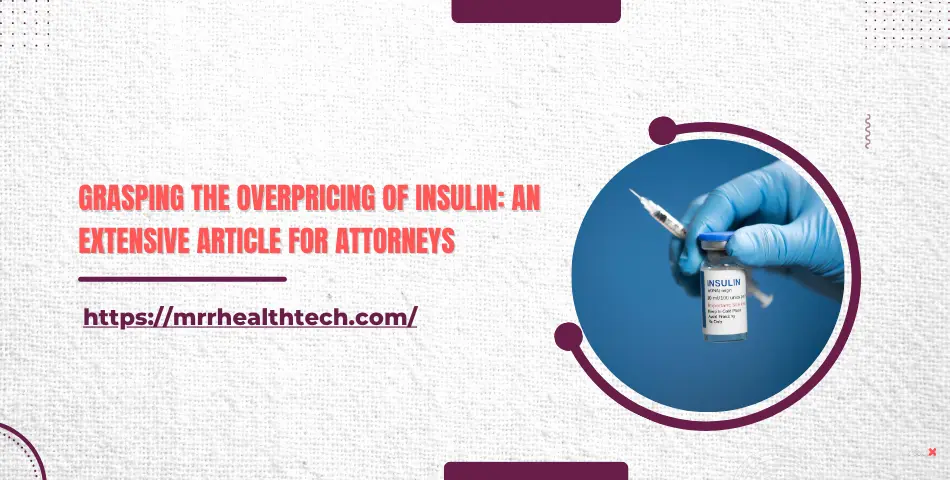
The exorbitant pricing of insulin has become a controversial issue for patients as well as healthcare professionals. This article seeks to equip lawyers with pertinent information on insulin overpricing, its legal aspects, and how reviewing medical records can assist in the litigation process.
The Scope of Insulin Pricing
An Overview of the OverPricing of Insulin in America
• Current Trends: Over the past ten years, insulin prices have seen an alarming increase, with some patients having to spend over $1000 every month.
• The Dynamics: There are only a handful of large manufacturers controlling the market, which gives rise to claims of price fixing.
Important Facts
• Irremediable Rise: New research suggests that the prices of insulin have skyrocketed by 300% since 2002.
• Patient Strain: Roughly 25% of people suffering from diabetes claim that they ration their insulin because of staggering prices.
Legal Boundaries for Offending the Overpricing Of Insulin
Associated Legislations and Rules
• Antitrust Laws: Outline the extent to which antitrust laws will affect the pricing of insulin.
• Consumer Protection Laws: Explain the impact of these legislations on the patients subjected to unfair pricing policies.
Recent Suits and Settlements
• Highlighted Issues: Studying some of the more prominent lawsuits filed against manufacturers of insulin.
• Conclusions Regarding Results: Examining the settlements that were reached and how they will affect pricing strategies in the future.
The Role of Medical Records Review in Insulin Litigation
Importance of Medical Records
• Overpricing Claims: In what ways can medical records support claims of exorbitant charges?
• Patient Perspectives: How can patient records are leveraged to show the effects of insulin pricing on health outcomes?
Our Work for Attorneys
• Comprehensive Review: Evaluation of medical records for pertinent data requires meticulous detail.
• Expert Testimony: Strengthening cases through expert insights based on medical records.
Medical Record Review Process
Collection of Records: This stage includes gathering patient histories, treatment records, inter-provider communications, and all pertinent medical documents relevant to the case.
Analysis and Evaluation: Forensic pathologists and other medical specialists analyze the gathered records for relevant trends, quality of care rendered, and possible medical malpractice.
Chronological Development: The construction of event timelines helps clarify the sequence of treatments which aids in care gap identification.
Advantages for Families and Patients
• Answers and Closure: Dealing with loss can be difficult, and medical record review helps grieving families understand what led to death and provides answers.
• Informed Decision-Making: Having thorough knowledge of the medical procedures performed enables a family to make informed choices regarding any legal action to be taken, or about any foreseeable future healthcare requirements.
Frequently Asked Questions
What Should Attorneys Know About Overpricing of Insulin Lawsuits?
• Key Considerations: Each case comes with its own unique circumstances. Knowing the industry structure and the difficulties that may arise
• Best Practices: Suggestions for constructing an effective strategy to sue producers of insulin.
How Can Medical Records Review Enhance Legal Strategies?
• Streamlining the Process: Organizing and optimizing workflow processes in the management of files.
• Recognizing Trends: Supporting claims or arguments by spotting significant trends in patient data.
Case Studies
Case Study 1: The Johnson Family vs. Big Pharma
Overview: An insulin-producing company is being sued by the Johnson family for the exorbitant prices charged for insulin, which placed him and his family in dire financial straits.
Challenges: Establishing causality between the price of insulin and the effect on health.
Solutions: Proving that the costs of insulin severely affected the family’s health and their overall wellbeing.
Compensation: Settling with the family, covering medical expenses plus additional payments for damages.
Case Study 2: State vs. Insulin Manufacturers
Overview: Allegations were raised by a state attorney general against manufacturers of insulin claiming price-fixing.
Challenges: Proving the collusive behavior of the manufacturers had been coordinated.
Solutions: Performing an audit of the medical records alongside the pricing datasets captures this data.
Compensation: In this case, the state received a multi-million dollar settlement specifically earmarked for the enhancement of public health initiatives.
Conclusion
The insulin overpricing issue demands well-rounded solutions due to its complexity, involving the medical records review process along with legal nursing services. Our services facilitate legal nurses to leverage the information to develop stronger cases and better advocate for their clients.