What Is the Reasonable Person Standard?
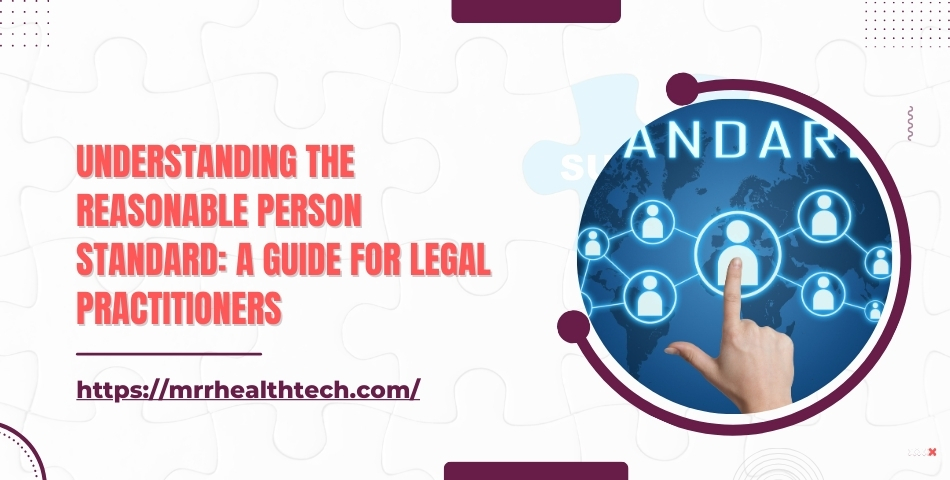
This is a standard of behavior which is used to measure a person standard actions and evaluate if they are reasonable. This standard is critical when deciding negligence cases wherein the plaintiff is required to prove that the defendant did not take reasonable care and due attention which resulted to injury or damages.
Characteristics of the Person Standard
- General, Not Personal: This person standard does not use the personal belief or opinion of whichever party is involved, but rather how a general or average person is expected to behave.
- Range: It varies with the specific violation, place, time, and the particular details of the case.
- Case Law: Most of the time, the courts use previous judgments in order to determine what is reasonable for a particular situation, especially if there are similar ones.
Jurisdiction-specific Considerations Regarding Person Standard
Considered By the Courts
- Details of the Event: The courts consider the specific surrounding factors of the event, along with its geophysical features and what each of the parties did.
- Expert Testimony: If the case is too complicated, there may be an expert witness who testifies to what he thinks is reasonable conduct based on his experience in the field.
- Community Standards: The local residents’ reasonable expectations are capable of impacting what is considered social behavior.
Illustrations of Reasonable Behavior
- Driving: A reasonable driver follows traffic signs, avoids driving at dangerously high or low speeds, and is mindful of other vehicles on the road.
- Medical Care: A reasonable healthcare practitioner adheres to systematic and established protocols and recommendations for patient safety.
Understanding the Elements of Negligence
In order to form a claim for negligence, a claimant will need to establish four vital components delineated as follows:
- Duty of Care: A The defendant had a duty of care to the plaintiff.
- Breach of Duty: The defendant fails to perform his or her duties as a reasonable person would.
- Causation: The breach was the direct cause of the plaintiff’s injuries.
- Damages: The claimant sustained breach damages.
“Medical Logs in the Context of Negligence Claims”
The Import of Medical Records Examination
Negligence cases always involve medical records and the relevant documents precisely in the scope of life damages and the resulting injuries and all consequences to the claimant. A systematic analysis of the medical documents enables lawyers to glean most of the crucial information, such as:
- Care and Medical Attention: Evaluating the injury and the respective medical attention given to it.
- Relevant Medical History: Subsequent pre-injuries which could affect the claim to be established.
- Potential Impact on Life: Envisioning the quality of life and assessing probable future healthcare costs.
Explanation of Medical Records Examination
- Acquisition: Lawyers must secure the healthcare services record of the client.
- Study: Thorough examination of the records in question to find pertinent data.
- Construction: Melding the results into the strategy to claim for damages in the case.
Case Study
Case Study 1: The Grocery Store Slip and Fall Accident
Overview: A customer slipped and fell in a supermarket because of a wet floor without warning signs.
Challenges: The supermarket argued that the customer was inattentive to the surrounding. Thus, should have taken steps to protect themselves from such a situation occurring.
Solutions: going over the client’s medical history, it came out that there were considerable injuries like, a fractured ankle that needed surgical intervention. There was also the opinion of a safety consultant who confirmed that the store did not keep the premises safe.
Case Study 2: The Car Accident
Overview: a certain client was in a car crash with another car where the other driver was running a red light.
Challenges: the other side was claiming that the client caused the accident by driving over the speed limit.
Solutions: in the client’s medical records, there was documentation supporting the injury claim of a concussion and whiplash. The other incriminating evidence was in the form of video footage taken from a traffic camera that proved the other party disregarded the traffic regulations. This was essential to the claim of the other party’s negligence.
Conclusion
Knowing the reasonable person standard is very helpful to lawyers with negligence cases. Understanding how this is applied and what influences its interpretation helps legal advocates to manage their client’s affairs better. Also, using medical record review helps a great deal in case strategy planning. Because it provides the evidence needed to support the claim and argue for reasonable compensation.
Attorneys wishing to improve their handling of negligence cases, a medical records review vendor can be incredibly helpful to case building and achieving client success.