
Introduction
Fractures of the skull are grave injuries that arise from a number of causes including falling, vehicle collisions, and even sports. It is important not just for the victims, but also the families to know the type of the skull fractures and their treatment, as well as the possible legal consequences. In this article, I discuss all the issues concerning skull fractures with a focus on how medical records review services can assist lawyers in obtaining the merits of the case.
What is a Skull Fracture?
Definition
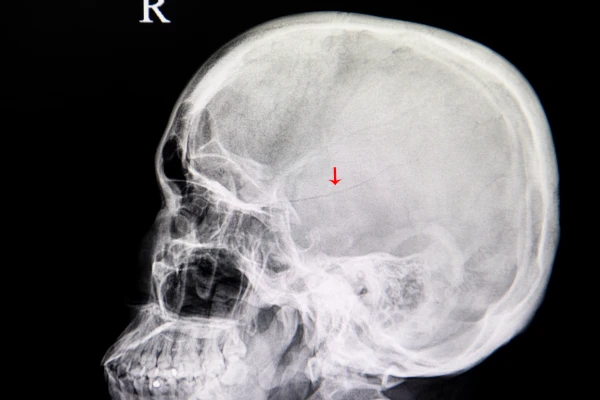
A skull fracture is a break in one or more of the bones that make up the skull. These fractures can vary in severity and can lead to serious complications, including brain injury.
Types of Skull Fractures
- Linear Skull Fracture
• Description: A single crack onto the skulls bone that does not result in any bone displacement.
• Symptoms: In most cases, head crack results minimal discomfort to none at all, even though headaches and soreness of the scalp’s skin can occur.
- Depressed Skull Fracture
• Description: A bone fracture where the affected area of skull moves inward as a consequence of external force, leading to risk of brain compression.
• Symptoms: Quite common one would observe them swelling and also discoloration.
- Basilar Skull Fracture
• Description: Generally, bones supporting the skull undergo fractures due to a collision with a certain surface. These are the sharpest blows and fractures which crush the base of the skull.
• Symptoms: Clear fluid leaking from the nose or ears, bruising around eyes or behind ears.
- Compound Skull Fracture
• Description: A fracture that not only breaks the skin, but also exposes the skull.
• Symptoms: Presence of abnormal cut, chances of infection, and extreme level of pain.
Causes of Skull Fractures
Common Causes
• Trauma from Accidents: Motor vehicle accidents, falling, and sports injuries are among the most common causes of skull fractures.
• Physical Assault: Blunt traumas received from fights and/or assaults can cause fractures.
• Birth Injures: In certain situations, infants may get fractures during the process of being born.
Statistics
About 1,700,000 US citizens sustain TBI skull fractures from accidents each year, according to the Centers for Disease Control and Prevention (CDC).
Symptoms of Skull Fractures
Recognizing the Signs
Symptoms of a skull fracture can vary based on the type and severity of the fracture. Common symptoms include:
- Headaches
- Nausea or Vomiting
- Dizziness or confusion
- Clear fluid drainage from the ear or nose
- Bruising around eyes or ears
When to Seek Medical Attention
Immediate medical attention is crucial if any of the following symptoms occur:
- Loss of consciousness
- Severe headache
- Having seizures
- Weakness or numbness in the limbs
Treatment Options for Skull Fractures
Initial Assessment
Upon arrival at a medical facility, a thorough assessment will be conducted, including:
- Physical examination: Assessment of external injuries and neurological signs.
- Imaging tests: CT scans or x-rays to assess the level of fracture.
Treatment Approaches
- Observation and Monitoring
• If the fracture is minor, physicians will allow the patient to watch for any complications.
- Surgical Intervention
• Some surgeries will likely be needed to lift a fractured bone segment to signed, so the bone can elevate and lessen the pressure on the cerebral organ.
• Other fractures will need cleaning, repairing, and preventing infection.
- Medications
The infection control medications suggested during the fracture cure are pain medication and antibiotics.
- Rehabilitation
Physical therapy and cognitive rehabilitation may be necessary for recovery, especially in cases involving brain injury.
Legal Implications of Skull Fractures
When to Consider Legal Action
Victims of skull fractures may have grounds for legal action if the injury resulted from negligence or intentional harm. Common scenarios include:
• Automobile Accidents: If another driver’s negligence caused the accident.
• Medical Negligence: When a healthcare professional fails to either diagnose or treat a skull fracture.
• Negligence by a Landlord: When the owner of a certain premises does not carry out proper maintenance, causing a slip or trip accident.
Types of Damages
Victims may be entitled to various types of damages, including:
• Medical Payments: Payment for all medical procedures, rehabilitation therapy services, and treatment.
• Wages: Payments for the hours or days spent not working because of the injury.
• Mental Anguish: Painful damages for being hurt emotionally and psychologically.
The Role of Medical Records Review
Importance for Attorneys
Medical records review services are essential for attorneys handling skull fracture cases. These services help:
- Establish Negligence: Detailed medical records can demonstrate whether the standard of care was met in the treatment of the injury.
- Demonstrate Causation: Linking the circumstances of the injury to the negligence or misconduct of another party is crucial for building a strong case.
- Support Compensation Claims: Accurate and comprehensive medical documentation is vital for justifying claims for damages, including medical expenses and lost wages.
Case Studies
Case Study 1: Car Accident with Depressed Skull Fracture
Overview: A distracted driver caused a vehicular accident involving a male in his mid thirty and ended up getting a depressed skull fracture.
Challenges: This victim suffered significant losses, including steep medical expenses along with lost income due to the victim’s inability to work during recovery.
Solutions: A medical review of records after taking legal counsel confirmed the car damage to the head along with the other driver’s negligence.
Case Study 2: Birthing Injury Leading to an Infant Fractured Skull
Overview: An infant sustained a skull fracture during birth due to the poorly handled use of delivery tools by the medical practitioners.
Challenges: The total cost of the emotional suffering endured by the family combined with treatment and continuing care of the infant was huge financially.
Solutions: The family pursued a medical malpractice attorney and an extensive investigation of the medical file pointed out the carelessness during delivery.
Conclusion
Knowing the consequences-linked skull fractures and lesions is important for a patient and their family members. Their issues may be solved by understanding the classification of fractures, treatment modalities, and possible legal proceedings so as to safeguard their rights. In these cases, attorneys require the aid of medical records review services to ensure patients are compensated for damages sustained due to negligence.