Introduction
Annually, car accidents contribute to a greater loss of life and injury than anything else in the United States, with millions of such incidents occurring every year. It is essential for advocates representing victims to be familiar with the probable causes of such car wrecks. This post outlines the most frequently seen car accidents, their consequences on personal injury claims, and how the medical records review service may improve their outcomes.
The Importance of Understanding Car Accident Causes
Why It Matters for Attorneys
For attorneys, knowing the common causes of car accidents can help in:
- Establishing Liability: It helps determine the legal (and driving) responsibility of the parties involved.
- Building Strong Cases: Identifying the causes of an accident is helpful during evidence gathering.
- Advising Clients: A lawyer is able to explain the rights and compensation people may be entitled to.
Common Causes of Car Accidents
Distracted Driving
Overview
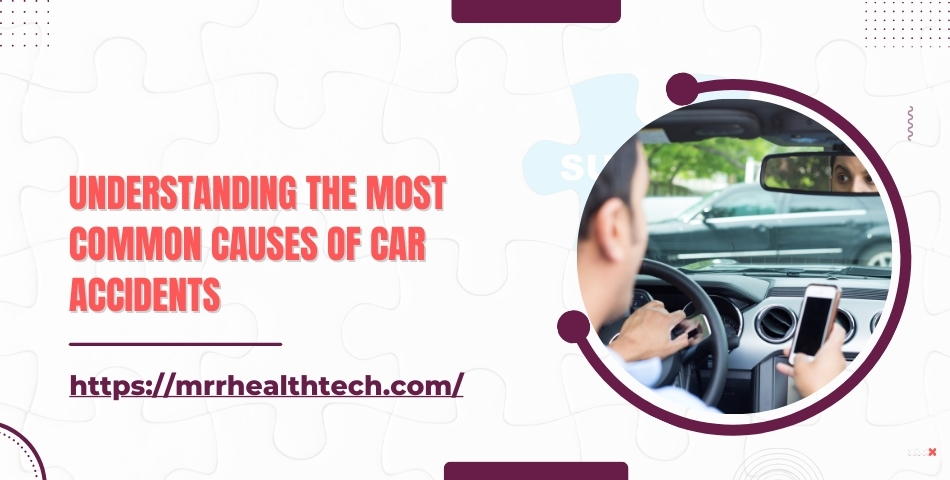
Distraction while driving continues to one of the major causes of car accidents. This also includes texting, talking on the phone, eating, and even fiddling with the radio.
Statistics
NHTSA 2020 has shown that distracted driving led to the death of more than 3142 people removed out of the total of car accident fatalities.
Speeding
Overview
In such cases, the speed limits are ignored which results in the increased rate of accidents. Speeding always inhibits a driver’s effectiveness regarding sudden changes in traffic and road environment.
Statistics
According to NHTSA, speeding was a factor in 29% of the fatal traffic accidents in the year 2020.
Driving Under the Influence (DUI)
Overview
Drugs and alcohol are some of the items that when used before driving can result in adverse consequences because of impaired reaction and coordination functions.
Statistics
According to NHTSA, 11,654 people died because of alcohol related accidents in 2020.
Weather conditions
Overview
The weather can contribute to both negative and positive driving experiences. Negative factors include rain, snow, fog, and ice which make it difficult to drive. Such conditions can lead to accidents since vision and road traction decreases having a difference in risk.
Statistics
As estimated by the FHWA concerning 21% of all accidents happening in a year are as a result of uncontrollable climate conditions.
Running traffic signals such as stopping lights and stop signs
Overview
Traffic signals are crucial in the reduction of accidents between vehicles while at the same time contributing to T-bone accidents where one vehicle runs into another at a right angle.
Statistics
The IIHS states that 846 deaths were experienced because of red light violations in 2019.
Reckless Driving
Overview
Cutting in and out of traffic, tailgating, and alternating lanes may involve any of these aggressive actions. These maneuvers are conducive to dangerous conditions on the road.
Fatigue
Overview
Drowsy driving is simply not paid enough heed, but is as perilous as drunk driving. Being tired slows down how fast one can react and make decisions.
Statistics
The NHTSA believes that around 6,000 fatal crashes annually happen due to drowsy driving.
Poor Road Conditions
Overview
Accidents may be caused by potholes or an absence of debris on roads which are poorly maintained. Property owners and municipalities may be liable for the lack of safe roads.
Vehicle Defects
Overview
An accident can be caused by mechanical failures like brakes or tire blowouts. Such people may be held liable who construct vehicles with such defects.
Inexperienced Drivers
Overview
Older young people mostly teenagers are likely to get into accidents more often than not because they lack driving acumen and proper judgment.
The Role of Medical Records Review in Car Accident Cases
Importance of Medical Documentation
Accurate medical records are essential in establishing the extent of injuries sustained in car accidents. These records can include:
- Emergency Room Reports: First Performance – gives a body’s initial report post-accident
- Follow Up Care: Treatment alongside rehabilitation
- Expert Opinions: Assessments from specialists specifying the injury’s consequences
How Medical Records Review Services Assist Attorneys
Medical records review services can help attorneys by:
- Organizing Medical Records: Ensuring all relevant documentation is easily accessible.
- Identifying Key Information: Highlighting critical details that support the case.
- Ensuring Compliance: Making sure that all medical documentation meets legal standards.
Case Studies
Case Study 1: Overview of the Case
41-year-old female involved in a MVA where she was stationary at the stop light and was hit from behind and suffered significant neck and back pains.
Challenges: There was evidence from the Defendant that the Plaintiff had stopped suddenly in an attempt to catch the red light.
Solutions: The attorney engaged the services of medical records review and was able to present detailed reports on the claimants’ injuries, treatment, and general life after the injuries which were devastatingly impacted. This evidence was paramount to the defendant’s case.
Case Study 2:
Overview: A 25 year old male, who was a victim of a front–centre crash accident from a drunk driver.
Challenges: The plaintiff was allegedly driving at an excessively high speed while a defendant was arguing having no knowledge of this fact.
Solutions: The lawyer sought the assistance of a medical record review company to emphasize the extent of needed treatment and injuries endured by this specific plaintiff. They also tracked the defendant’s DUI and drinking records as evidence of their alcohol-induced state while driving.
Conclusion
It is pertinent to know the main common factors surrounding the car accident for a lawyer who is going to represent the complainer’s personal injury claim. Using medical records review services assists lawyers in formulating an effective case that adequately proves negligence and compensation is awarded to the victim. This method is beneficial in promoting winning cases but also helps foster the practice of personal injury law.