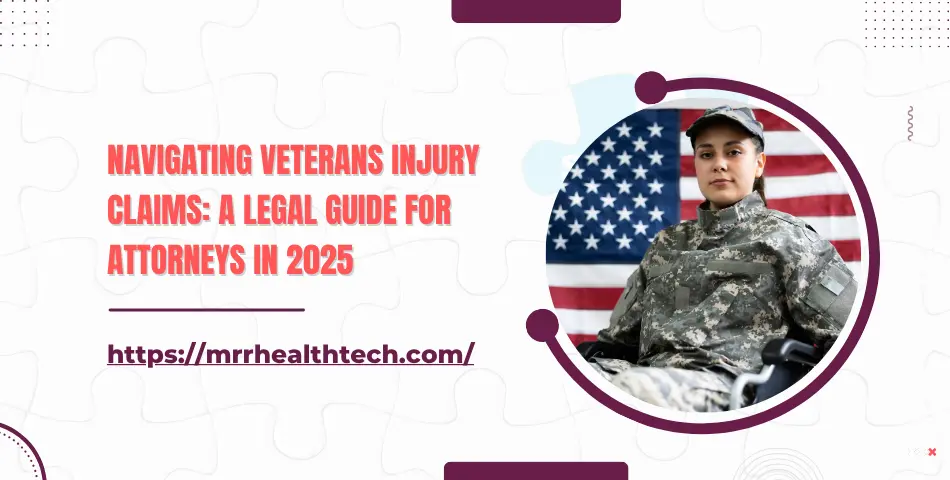
Veterans throughout the country carry the lingering marks of their service, felt in body and mind long after the last parade has faded. For attorneys, the mission of guiding these veterans to the compensation they have earned is both a duty to the law and a call to conscience for veterans injury claims.
As we step into 2025, the changes in regulations and the shifting VA guidelines make it essential to master the claims framework, the benefits available, and the tactics for appeals.
Whether you have spent decades in this arena or are stepping in for the first time to advocate for a veterans injury claims that defies traditional proof, this guide packs actionable insights and step-by-step techniques to steer veterans injury cases through the 2025 landscape.
Understanding the Legal Landscape for Veterans Injury Claims in 2025
The rules shaping veterans disability compensation are still being refined. This year, the VA has overhauled critical elements that govern the appraisal of injuries and disablements. Counsel should ensure they are well-versed in:
- the reworked catalog of VA disability conditions,
- recent Supreme Court pronouncements that reframe the burden of proof,
- the new taxonomy for injuries that resist direct verification, such as chronic pain syndromes and service-related psychological trauma,
- and the sharper spotlight on claims of secondary service connection.
The published VA disability benefits schedule assigns raw numerical ratings, but the real expertise lies in dissecting how those figures are decided and how they can be contested.
Advocacy Strategies for Attorneys Handling Veterans Injury Claims
Attorneys representing injured veterans should craft strategies that align with the unique circumstances of each veteran. Keep the following approaches top of mind:
- Harvest comprehensive service records and buddy statements that can corroborate injuries that lack formal documentation.
- Utilize the VA disability rate calculators to estimate future benefit amounts with precision.
- Recruit medical professionals who can bridge the gap between current diagnoses and documented service incidents, even if the link is circumstantial.
- Monitor the status of disability claims through the VA Claims Tracker app or by calling the national claims number at 1-800-827-1000.
Being proactive with the VA Evidence Intake Center can minimize bottlenecks. (When veterans receive a letter from the Center, it almost always signals that the VA is missing evidence or that evidence they sent requires clarification.)
Navigating Federal Benefits Relevant to Veterans Injury Claims
Attorneys must keep the full spectrum of federal and state benefits in view, including:
- Social Security Disability Insurance (SSDI)
- Veterans Pension programs
- VA health care and the Vocational Rehabilitation and Employment (VR&E) program
Claims for VA compensation should also reflect the latest disability rates, which the VA updated for 2025 to account for cost-of-living increases.
Review the official VA disability benefits chart regularly to confirm your client is obtaining the highest allowable compensation.
Understanding VA Disability Compensation Rates and Allowances in 2025
For 2025, VA disability pay varies by rating level, family status, and whether a condition is deemed permanent or likely to change. Here’s a summary:
- A rating of 10% to 20% results in a monthly benefit that helps, but is not full livelihood.
- When a veteran has a 70% PTSD rating, the common concern becomes: “Is 70% PTSD permanent?” The answer hinges on whether the doctor or a board has labeled the condition as stable or one that requires further evaluation.
- A full 100% rating opens the door to extra payments, such as Aid and Attendance for caregivers or the Housebound supplement.
Encourage clients to use the VA disability calculator for a quick, rough estimate of their likely compensation amount.
Effectively Navigating the Claims Process for Veterans Injury Claims
From the first paper to the final check, the VA claims journey goes through these stages:
- Submit the claim.
- Compile and send evidence.
- Wait for the VA to review.
- Receive the rating decision.
- Get the decision notification.
- Appeal, if the rating is too low or denied.
When a veteran asks, “How will I know my claim is approved?” the best answers are the VA Claim Tracker app or the VA’s claim status hotline. The VA updates the status every 7 to 10 business days, but complicated cases sometimes take longer.
Appeals Strategies considering Recent Supreme Court Decisions Affecting Veterans Injury Claims
The Court’s latest opinions reaffirm VA’s overarching obligation to assist claimants in gathering proof. Counsel should seize these rulings to:
- Insist the VA fully fulfill all Compensation & Pension exam orders
- Employing the Board of Veterans’ Appeals to contest adverse determinations
- Deliver supplementary records directly to the VA’s Evidence Intake Center
Winning the appeal means constructing the argument in strict accord with the decisions, while foregrounding the veteran’s unique narrative.
Accessing Resources to Support Veterans and Attorneys in Their Fight for Justice
Precise resources empower legal advocates and the veterans they represent. Counsel may access:
- VA Evidence Intake Center phone: 1-844-531-7818
- VA Claims phone: 1-800-827-1000
- VA Disability Benefits Chart, 2025: [VA Official Site]
- Claims Tracker & Status Portal: [VA.gov claim status page]
- Non-profits specializing in veterans’ mental health and housing
Conclusion
Success in veterans injury claims in 2025 hinges on more than legal acumen; it demands compassion, meticulousness, and tactical advocacy. By mastering the disability benefits chart and the appeals maze, attorneys remain essential partners in ensuring veterans receive the justice and compensation they have rightfully earned.
FAQs
How to know if a VA claim is approved?
You may track claim status through the VA Claim Tracker app, or by calling 1-800-827-1000. A decision letter will be mailed once adjudication is complete.
Is 70% PTSD a permanent VA disability?
Not by default. A 70% rating is permanent only when designated “static” or “not subject to future exams.” Absent that notation, the rating may still be subject to future review.
What are the 8 stages of a VA claim?
The 8 stages are:
- Claim Received
- Under Review
- Gathering of Evidence
- Review of Evidence
- Preparation for Decision
- Pending Decision Approval
- Preparation for Notification
- Complete
Are you an attorney seeking expert support with veterans injury claims?
Work with MRR Health Tech for thorough medical record analysis and tailored legal-medical summaries that elevate your clients’ disability cases.