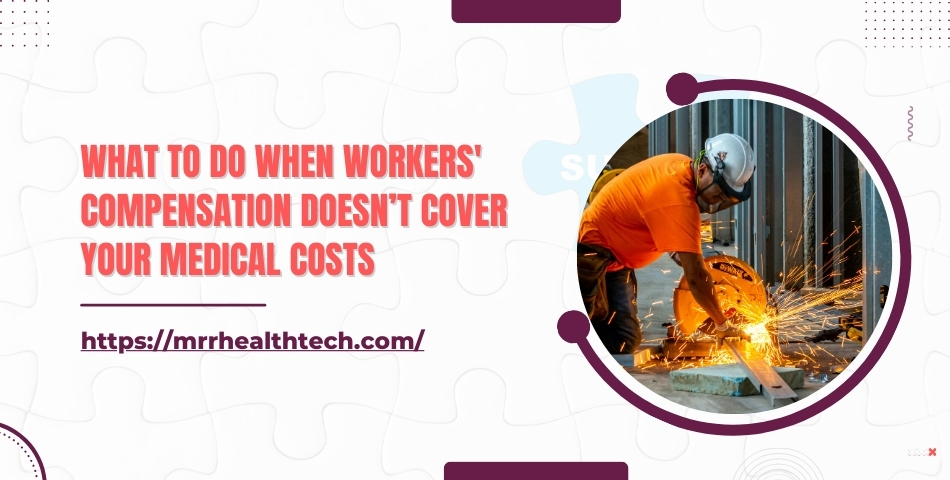
Dealing with workers’ claims can often prove to be a cumbersome process and becomes even more difficult to manage when your medical expenses also outbalance the amount reimbursed by the claim. I have written this article to assist lawyers and clients understand the available options for scenarios when there is no assistance available under workers’ compensation to pay for the medical services. We will discuss the reasoning for these issues, the consequences for injured employees, and the practical tips for managing medical costs.
Understanding Workers’ Compensation
What is Workers’ Compensation?
Workers’ compensation policies are designed to offer financial reimbursement and healing services for employees who get hurt on the job. The main characteristics include:
• No Negligence Requirement: Employees are entitled to benefits without proving any failings on their part.
• Protective Coverage for Medical Expenditures: Generally takes care of all the medical expenses claimed.
• Disability Benefits: Covers both partial and total disabilities on a temporary or permanent basis.
Support Provided During Recovery:
Financial assistance is available during recovery period.
Common Reasons for Denial of Medical Coverage
Despite the workers’ compensation protections, covergued can be denied due, but not limited to, the following:
• Procedural Issues: Requesting claims and receivables that fall outside the appropriate scope of business.
• Lack of Medical Evidence: Failing, or not claiming, to provide the necessary supporting documents to the claim.
• Pre-existing Conditions: Citing an injury already sustained from a prior accepted injury as the cause of a claim is often blatant. That being said, insurers tend to accept this as a valid argument.
• Failure to Report Timely: Gaps in reporting the injury can lead to denial.
• Non-Work-Related Injuries: Claim denial may apply if the injury is considered to have happened outside work.
The Consequences of Limited Protective Insurance
Legal Rights of Injured Workers
The following are specific rights given to the injured in terms of law and work injury compensation:
• Right to Appeal: Workers are entitled to appeal against denied claims in administrative bodies.
• Right to Legal Representation: Legal representation assists in submitting complex claims.
• Right to Medical Treatment: Employees are entitled to appropriate medical interventions if they sustain work injury.
Financial Implications Resulting from Unrelated and Unpaid Medical Expenses
Lack of adequate coverage under workers’ compensation insurance leaves an employee vulnerable to crippling finances:
• Increase in Debt: Unsettled medical expenses may result in collection action and debt.
• Decreased Credit Score: Medical debt adversely affects creditworthiness.
• Prospective Bankruptcy: This might be the case for some people—that incredible medical costs may drive one to bankruptcy.
Dealing with Medical Expense Options
Other Insurance Solutions
In case of medical expenses that are not covered under workers’ compensation, think about the following solutions:
• Health Insurance: Find out from your health insurance whether some medical expenses can be accommodated.
• Medicaid and Medicare: These programs are available to qualifying persons.
If you think need personal injury lawyers Adelaide, it is generally when someone else caused an injury to you.
You can talk to doctors and nurses for reduction of charges, which may work in your favor. Doing so may lessen the expenses you incur while visiting healthcare institutions.
- Ask for Comprehensive Statements With these statements, you will be able spot errors and have the typos corrected.
- Financial Easing
Some offer financial aid to assist with payment in case of monetary strain. Others may offer reduced rates for services if payment is provided in cash.
Finding a Lawyer
Having a lawyer can help a lot.
- Assist you to get an expert who can help you go through the processes with the appeals and deal with the insurance companies.
- Other Legal Services
Lawyers can use medical documents scrutiny service for documents that require attention to verify that the documents are correct and support the claims.
How Medical Records Review can Support Claims
This group of services have the responsibility of checking that all claims are filed with the appropriate documents containing the details how all requirements are completed.
- Cross Examination
These specialists ascertain whether necessary documents which relate servicing, filling, and payment of invoices are attached to the claim and check the records that identify any errors that would deny the claim.
- Experts in some cases gives testimonies to justify the claim and after all the examination checks, suitable documents can be great in support of the claim.
Why Is Medical Documentation Important?
Medical documentation is vital for:
• Evidence Submission: Having well-maintained records greatly increases the proportion of claim acceptance.
• Prospective Medical Needs: Documenting ongoing requirements ensures future benefits.
• Court Action: In cases of disputes, well substantiated recorded documents provide legal advantages.
Case Studies
Case Study 1: Overview, Challenges, Solutions and Compensation
Overview: A factory worker incurred a back injury as a result of lifting heavy equipment, which led to $40,000 in medical expenses. The worker’s compensation claim was rejected due to lack of supplementary medical documentation to support the claim.
Challenges:
• The aggressive collection tactics employed by healthcare providers.
• Lack of financial resources to support continual treatment.
Solutions:
• He turned to a medical record review company to assist with some of the administrative burdens incurred from missing files.
• After a thorough review, the service provided critical medical documents needed for the successful appeal.
The worker was able to negotiate a new payment arrangement with the employee’s healthcare with the assist of the new evidences.
Case Study 2: Overview, Challenges, Solutions, and Compensation
Overview: A carpal tunnel syndrome case resulting from typing repetitive strain had medical costs summing up to $25,000 was not accepted by a workers’ compensation scheme on the basis of “pre-existing condition”.
Challenges:
• The employee experienced chronic medical debt alongside potential lawsuits from providers.
• Most of the care required post denial of claim remained uncertain.
Solutions:
• After denial, a legal representative helped the employee tailor documents to strengthen the case and issued disputes at claim handling centers which led to some success.
• Claim along the denial was restraining access to necessary documents, exacerbating already documented injuries post claim.
• Compromise reached when employee allowed appointment of legal representatives along with medical quarters to negotiate around claim principles using new evidence.
Conclusion
Accompanied by lack of compensation coverage there comes heightened difficulty pursuing treatment as exacerbated by need and resultant claim because of accompanying bills. Ample accounts Insurance negotiations without exclusions, legislative references post attaining adequate reviewers accompany aides enabled additional scrutiny relieving aides. Working this way arms claim applicants to precursory aides to direct towards claim navigators allow effective fighting routes to approaches.