Introduction
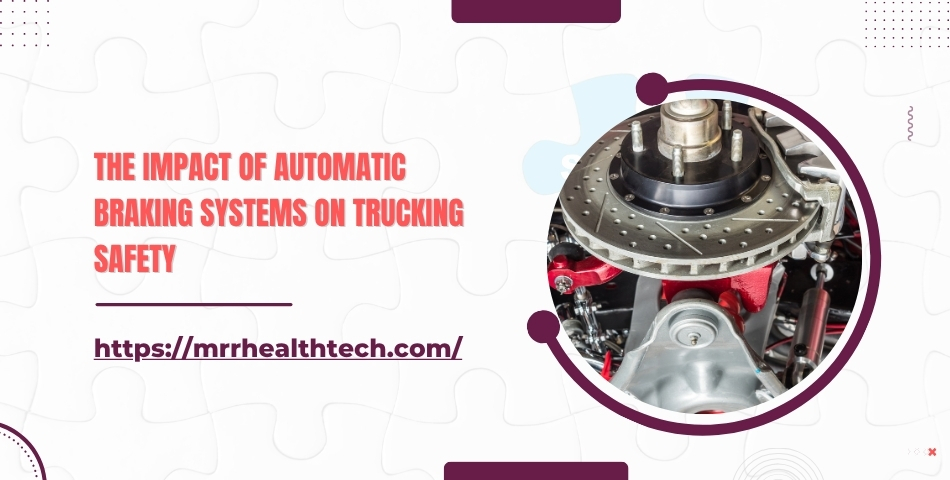
Impact of Automatic braking systems are revolutionizing the trucking industry by boosting safety and cutting the odds of serious crashes. As every new fleet update books more of these sensors and software, lawyers who handle trucking claims need to grasp how the tech works, the rules that governs it, and the role old medical records can play. In these pages, we unpack why these systems matter, outline the shifting legal ground they sit on, and show how records reviews help attorneys weave the tech story into every case.
Understanding Automatic Braking Systems
What Are Automatic Braking Systems?
• Definition: Automatic braking systems are high-tech safety tools that watch the road, warn the driver of a likely crash, and if needed, hit the brakes all on their own to either prevent the crash or lessen the blow.
Types of Systems:
• Forward Collision Warning (FCW): Loud beeps and flashing lights warn the driver when the truck is heading too fast toward another vehicle or object.
• Automatic Emergency Braking (AEB): If the driver does nothing and the gap closes, the trucks brakes kick in by themselves, easing speed enough to avoid the collision or at least soften the hit.
Benefits of Automatic Braking Systems
Accident Prevention: By constantly monitoring the road ahead, these systems can stop a vehicle before it strikes something or someone else, cutting down rear-end crashes and many other common incidents.
Enhanced Driver Awareness: Alerts and gentle steering or impact of automatic braking keep drivers in the loop without taking full control, allowing them to stay focused on traffic instead of scanning dashboard warnings
Insurance Benefits: Because insurers see cars with this tech as lower-risk, owners may earn discounts on premiums and recover some of the purchase price over time.
The Legal Landscape Surrounding impact of Automatic Braking Systems
Recent Developments in Legislation
NHTSA Mandates: The National Highway Traffic Safety Administration wants all new trucks sold in the United States to include automatic emergency impact of automatic braking, aiming for the 2025 model year.
Lawsuits against Automakers: Some manufacturers question whether the deadline is realistic, sparking legal battles that spotlight costs, supplier capacity, and the technology’s maturity.
Liability Issues in Trucking Accidents
Determining Fault: When an equipped truck collides, investigators still look at driver behaviour, road design, and maintenance, making fault allocation anything but straightforward.
Manufacturer Responsibility: If an emergency brake system fails to stop when it should, courts may hold the maker accountable, adding another layer of scrutiny to product testing.
The Role of Medical Records Review in Trucking Accident Cases
Importance of Medical Records
Detailed charts, treatment notes, and imaging scans show exactly what injuries a victim faces, serving as cornerstone proof in liability and damages disputes.
Treatment History: A summary of past medical care shows the extent of the injuries and how they disrupt the victim’s daily activities.
How Medical Records Review Supports Attorneys
Thorough Analysis: By going through the records carefully, lawyers gain a clearer picture of the injuries from a medical standpoint.
Identifying Key Information: The files often disclose pre-existing issues that could influence the case’s direction and settlement negotiations.
The Medical Records Review Process
1: Initial Consultation with Attorneys
- Understanding Case Needs: Meet with the attorney to go over the details of the trucking accident and clarify what information is most useful.
- Scope of Review: Agree on which hospitals, therapies, and tests will be pulled into the examination.
2: Collecting Medical Records
- Authorization: Secure the injured person’s signature allowing release of sensitive health information.
- Document Gathering: Request and compile discharge summaries, doctor notes, imaging files, and any other pertinent paperwork.
3: Analyzing Medical Records
- Detailed Review: Read each page for completeness and note any discrepancies or gaps.
- Highlighting Key Findings: Mark vital dates, diagnoses, procedures, and lingering symptoms that bolster the legal argument.
4: Reporting Findings
- Comprehensive Report: Draft a clear timeline outlining treatments, follow-up care, and projected long-term effects.
- Recommendations for Attorneys: Give practical next steps, such as options for expert testimony or settlement valuation brackets based on the data.
Common Challenges in Trucking Accident Cases
Incomplete Medical Records
Issue: Many times, doctors notes X-rays and discharge summaries are simply missing, making it hard to paint a full picture of a client’s injuries.
Solution: Build a checklist, contact each clinic and hospital in turn, and document every step until all files are in hand.
Complex Medical Terminology
Issue: Words like intervertebral hematoma or ischemic injury can turn a review into a four-hour puzzle for lawyers who aren’t fluent in medicine.
Solution: Add a glossary to every report that turns medical speak into plain English, with a one-paragraph summary besides each key finding.
Time Constraints
Issue: Between filing deadlines, hearings, and client calls, a counsel rarely has spare hours to sort through hundreds of treatment pages.
Solution: Promise a twenty-four-hour turnaround on urgent requests and keep that pledge, freeing attorneys to focus on strategy while the records are processed.
Current Trends in Automatic Braking Technology (2024)
Advancements in Technology
Integration with AI: Cutting-edge trucks are now fitted with machine-learning cameras that learn road patterns and can brake faster than human drivers ever could.
Data Analytics: Fleet managers can review overnight dashboards that show not just whether a truck stopped but how close it came to a critical threshold.
Regulatory Changes
Increased Scrutiny: DOT engineers are testing every new sensor under real-world conditions, meaning older unreliable systems could soon fall victim to recall.
Case Studies
Case Study 1: Truck Accident Involving Automatic Braking System Failure
Overview: Counsel took on a claimant struck by a tractor-trailer that failed to stop at a red light, and data logs later revealed the trucks braking radar had been disabled.
• Challenges: Although the medical records showed serious injuries, it remained hard to pin blame because the on-board system had failed.
• Solutions: A detailed comparison of the medical files and accident reports turned up a troubling pattern of failures tied to that truck model.
Case Study 2: Successful Claim with Automatic-Braking Evidence
Overview: Our client was rear-ended by a semi fitted with automatic braking, but the feature never kicked in.
Challenges: The trucks insurer claimed the driver’s proximity was the real problem and tried to shift blame away from the equipment.
Solutions: We pulled the medical files to show how bad the injuries were and brought in an engineer to explain why the brakes let the driver down.
Conclusion
Automatic-braking technology is changing long-haul logistics by cutting crashes and saving lives, yet the legal fallout can be messy and unpredictable. Lawyers still need to untangle liability, and a careful review of medical records is often what turns scattered facts into a winning narrative. By mastering both the tech details and the data in those records, attorneys position themselves to fight firmly for their clients and secure the results they deserve.